
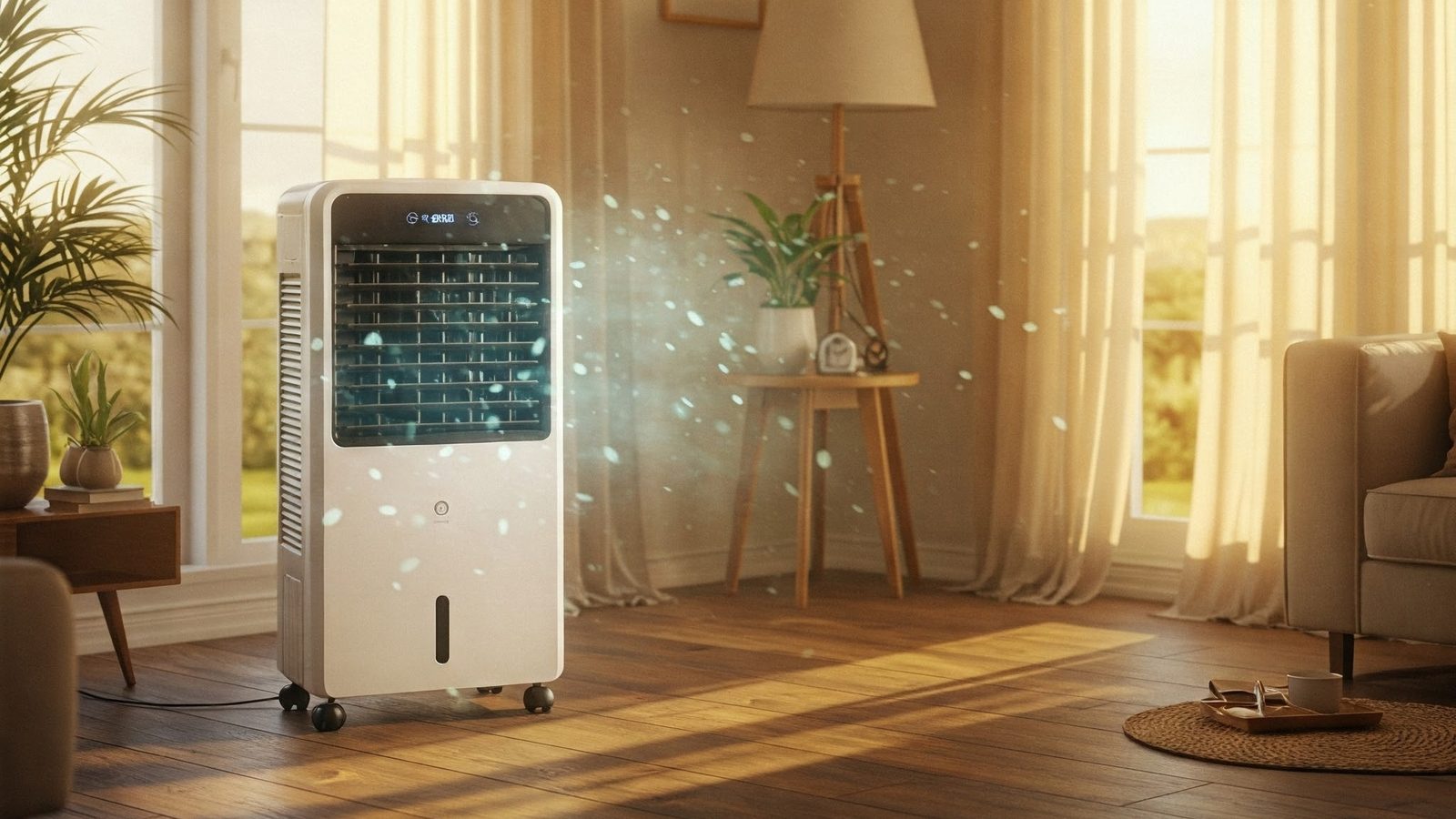
How to Choose the Right Size Air Cooler for Your Room
Choosing the right size air cooler isn’t just about buying the biggest or most expensive unit you can find. To stay cool, comfortable, and energy-efficient this summer, your air cooler must be matched to your room’s size and airflow needs. Unlike air conditioners, air coolers rely on airflow and evaporation to lower temperatures. Getting the size right helps you avoid under-performing units, wasted energy, and uneven cooling. This guide walks you through everything you need to know — including CFM, room sizing, and a simple reference table to help you pick the best cooler for your space.
Table of Contents
ToggleWhy Air Cooler Size Matters
The effectiveness of an air cooler often depends on how you choose the right size air cooler for your room. Putting a small air cooler into a big room will not be helpful, and those used to the size of a room may be a waste of energy. To achieve the best performance, make sure you have the best air cooler for the bedroom by confirming that the air cooler’s square footage is approximately equal to the room’s.
This is why ascertaining a room-size air cooler guide is important. Now let’s describe the process step by step.
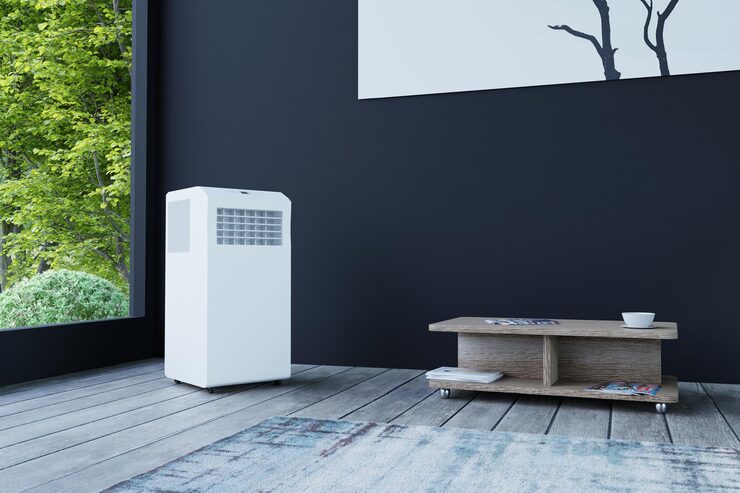
What size Air Cooler do I need for a 200 sq. ft. Room?
Are you wondering how to measure the room for an air cooler? The square footage of a room is obtained through the multiplication of the room’s length and width. If a room is 10 feet long by 12 feet wide, then it totals 120 square feet. Rooms under 150 square feet work well with a cooler of a 20- to 30-liter capacity, whereas rooms that exceed 200 square feet often require a larger cooler.
Understanding Air Cooler Capacity
The word ‘capacity’ involves two concepts, namely: the total water charge that a cooler can carry and the airflow volume it can provide. Select the best air cooler for medium-sized living rooms by locating the room’s square footage, multiplying it by the height of the ceiling, and dividing the answer by 2 in the CFM (cubic feet per minute) unit.
For example:
- Small-size rooms (150 sq ft): 1,000–2,000 CFM
- Medium-size rooms (150–250 sq ft): 2,000–3,000 CFM
This gives the path to choose the right size air cooler for your room based on the specific dimensions of your room.
What Is CFM (Cubic Feet per Minute)?
CFM stands for Cubic Feet per Minute and measures how much air an air cooler can move in one minute. Higher CFM means more air circulation — and more cooling coverage. Generally, larger rooms require a higher CFM rating for effective cooling. How to estimate CFM needed Multiply your room’s square footage by the ceiling height, then divide by 2. For example, a 200 sq ft room with an 8 ft ceiling needs roughly: 200 × 8 ÷ 2 = 800 CFMAir Cooler sizing table
Use this table to quickly match your room size with the recommended CFM (airflow capacity) and ideal tank size.
| Room Size (sq.ft.) | Recommended CFM | Ideal Tank Capacity | Best For |
|---|---|---|---|
| Up to 150 sq.ft. | Up to 600 CFM | Below 15 Litres | Small bedrooms, study rooms |
| 150 – 300 sq.ft. | 600 – 1,200 CFM | 11 – 30 Litres | Living rooms, medium bedrooms |
| 300 – 450 sq.ft. | 1,200 – 1,800 CFM | 31 – 50 Litres | Large halls, office cabins |
| 450 – 600 sq.ft. | 1,800 – 2,400 CFM | 41 – 60 Litres | Open living areas, shops |
| Above 600 sq.ft. | 2,400+ CFM | Above 60 Litres | Large commercial spaces |
Tip: For rooms with high ceilings (above 10 ft) or open layouts, consider choosing the next higher CFM range for better cooling performance.
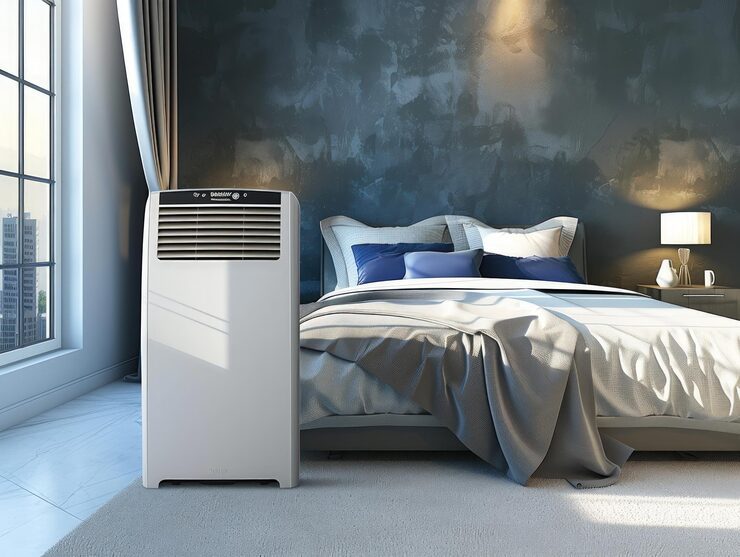
Which one should you choose
Choosing the right air cooler depends on your room size, ventilation, portability needs, and climate conditions. Use the comparison table below to find the best option for your space.
| Cooler Type | Ideal Room Size | CFM Range | Tank Capacity | Best For | Why Choose It? |
|---|---|---|---|---|---|
| Personal Cooler | Up to 150 sq.ft. | Up to 600 CFM | 10–20 Litres | Bedrooms, study rooms | Compact, energy-efficient, easy to move |
| Tower Cooler | 150–300 sq.ft. | 600–1,500 CFM | 20–40 Litres | Living rooms, apartments | Space-saving design with better air throw |
| Desert Cooler | 300+ sq.ft. | 1,500–3,500+ CFM | 40–100 Litres | Large halls, offices, commercial spaces | Powerful cooling for bigger and open areas |
Tip: If your room has high ceilings, multiple windows, or an open layout, consider choosing one size higher than recommended for better cooling performance.
Climate Compatibility Warning
Air coolers work best in dry, hot climates where evaporation improves comfort. In humid regions, the evaporative cooling effect is reduced because the air already contains moisture. If you live in a high-humidity area, prioritize higher airflow (CFM) and strong ventilation, but be aware results may still be less dramatic than in dry climatesHow to choose the Right Size Air Cooler based on Room Dimensions?
Air Cooler for Small Room
In smaller spaces – in study rooms or kitchens – units of 15–20L capacity are more than enough. These models are suitable for bedrooms in case one has limited space to cover the total cooling area of an air cooler.
Air cooler for Medium sized living rooms
For the living room that is 200–300 square feet in size, an air cooler with a volume of 40–50L is suitable. This makes one breathe well and at the same time ensures you get the right-sized air cooler for your room. One of the best air coolers available in the market is the Bajaj Tower Air Cooler with efficient anti-bacterial technology and premium wide range cooling!
Common Mistakes to Avoid
- Ignoring Room Layout: Large, open-plan rooms could do with more cooling power in order to make them comfortable to linger in.
- Overestimating Needs: Larger units are not always better – the oversized coolers can, in fact, increase humidity levels.
- Skipping Ventilation: In order to enable optimal performance, air coolers depend on adequate air circulation around the room. There has recently been a huge importance of air quality in offices, which is why people are considering air purifiers as well.
Avoiding these pitfalls takes you to the path of selecting the right-sized air cooler for your room.
Rental Options for an Air Cooler
Doubting the decision to invest? With Rentocart, you are provided with the flexibility that comes with renting air coolers based on your own particular specifications. This flexibility is particularly handy if you’re relocating or pilot testing a unit before purchase. Rentocart has a wide range of options to rent electronics in Kolkata, along with the perfect air coolers that correspond to room size, and you’re sure to get the suitable model.
Conclusion
It is not challenging to choose the right size air cooler for your room. First, measure your room, select an air cooler with appropriate cooling power, and plan your space in use and organize it. If you’re looking to have an air purifier on rent for a small room, Rentocart has you covered.

FAQ’S
What size air cooler do I need?
- Small room (up to 150 sq. ft): 20–30L
- Medium room (150–300 sq. ft): 30–50L
- Large room (300+ sq. ft): 50L+
How much litre cooler is sufficient for a room?
20–30L for small rooms, 30–50L for medium rooms, and 50L+ for large spaces.
Is a cooler better than a 1.5 ton AC?
For dry climates and low-cost cooling, yes. But ACs provide better cooling in all weather conditions.
What are the disadvantages of air coolers?
Less effective in humid climates, need regular refilling and maintenance, and not as powerful as ACs.
Can we use AC water in a cooler?
Yes, but ensure it’s clean. AC water is distilled but may contain dust or mold.
Can I use an air cooler without water?
It will work as a fan but won’t cool effectively. Water is essential for proper cooling.
How can I place a rental order?
To place a rental order, visit our website at www.rentocart.com, select the desired equipment, and follow the easy checkout process. Alternatively, you can contact us at 93303-91968.

Renting vs. Buying an Air Purifier: What’s Best for You?
With rising air pollution and increasing awareness around indoor air quality, air purifiers are becoming…

The Importance of Air Quality in Offices: How Rentals Can Help
Productivity and staff well-being are inherently related in today's work environments. A frequently overlooked factor…

The Role of Air Purifiers in Creating a Healthy Workplace
A good office is not only about comfortable chairs and lighting but also air quality.…